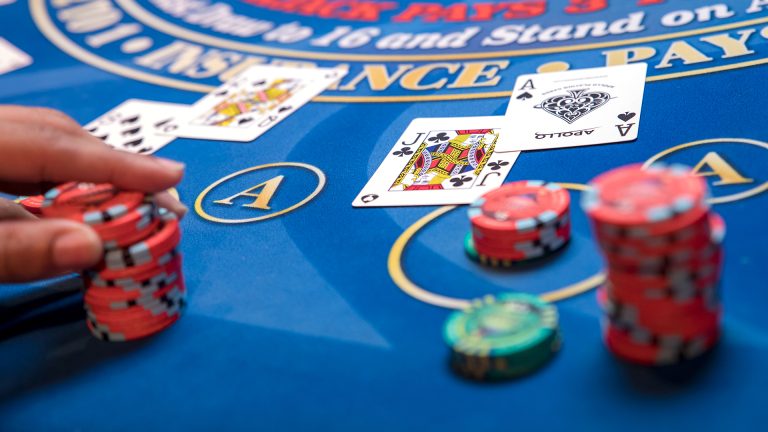
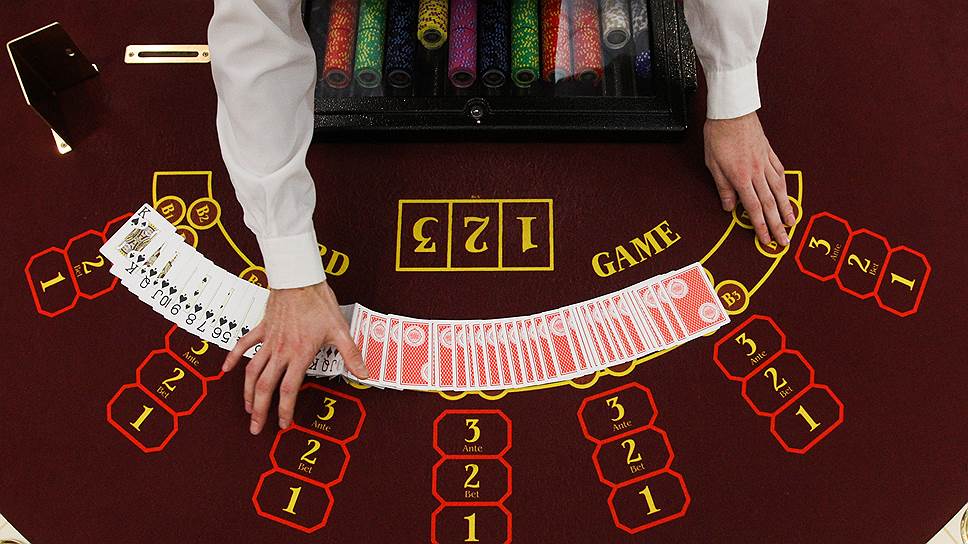
Look, here’s the thing: if you’re new to online pokies and blackjack in New Zealand, the jargon and tiny rules add up faster than you’d think. Pokies paylines decide how wins land; blackjack variants change strategy. This guide gives plain-English, NZ-focused explanations, real NZ$ examples and tidy checklists so you can punt smarter from Auckland to Christchurch. What follows is practical and local — sweet as.
First up, I’ll run you through what a payline actually is on a pokie, why game types like Megaways matter, and how that affects your bankroll in NZ dollars. Then we’ll switch to blackjack: the common variants you’ll meet in NZ online casinos and what each one means for strategy. If you want to skip ahead, the Quick Checklist below will get you started, but I recommend reading the short examples first to avoid the usual rookie errors. Now — onto paylines, and why they matter when you’re betting NZ$1 or NZ$50 per spin.

What is a Payline? NZ pokies basics
A payline is the pattern across the reels where matching symbols must land for a payout; classic pokies had a single horizontal payline, modern titles often have dozens or thousands. Not gonna lie — the difference is huge for variance and fun. For example, a 5‑reel pokie with 20 fixed paylines gives you predictable combinations, whereas a Megaways title can have up to 117,649 ways to win, which changes both hit frequency and volatility.
Think of it like this: if you bet NZ$1 per spin on a 20-payline game, you’re effectively placing NZ$0.05 per line (NZ$1 / 20 lines). If you move to a 40-payline pokie and keep the same per-line stake, your total bet doubles. This is where many Kiwi punters slip up — you see a low “bet per line” and forget the lines multiply the stake, and then you’re wondering why your NZ$20 disappeared faster than a sausage roll at a footy match. Next, let’s break down payline types and what each one means for bankroll planning.
Types of Paylines NZ players see most
Here’s a quick rundown of payline styles you’ll encounter in NZ pokie lobbies — and what they mean for play style and volatility, with a simple NZ$ example for each so you can picture the math.
| Payline Type | How it pays | NZ$ example (per spin) |
|---|---|---|
| Single-line classic | One horizontal line only | Bet NZ$1 total → NZ$1/line |
| Fixed multi-line (e.g., 20, 25) | Multiple fixed paylines, cost per spin = lines × stake | 20 lines × NZ$0.10 = NZ$2.00 |
| Adjustable lines | You choose number of active lines | Choose 10 lines × NZ$0.20 = NZ$2.00 |
| Ways-to-win / Megaways | No set paylines — combinations across reels | NZ$1 per spin typical, hit frequency varies |
| Cluster pays | Groups of adjacent symbols pay out | NZ$0.50–NZ$2 depending on cluster |
As you can see, the headline bet number can be misleading unless you check lines. My tip: always check “bet per line” or “total bet” before you spin so you don’t over-expose your bankroll — and that leads into bankroll math for paylines, which I’ll show next.
Simple bankroll math for NZ punters on paylines
Real talk: set a session budget in NZ$ and work back to per-line bets. If you have NZ$100 for an evening and want 100 spins, your max stake per spin is NZ$1. With a 25-line pokie that’s NZ$0.04 per line — low, but it keeps you playing. If you prefer bigger hits, opt for fewer spins or lower line count. I once learned this the hard way — set NZ$50, thought I was betting NZ$0.50 per spin, only to find I’d been at NZ$5 and went munted too quick. Don’t do that; plan lines vs spins up front.
That planning matters when you chase free spins or welcome bonuses, which often have wagering requirements tied to bet size. Speaking of which, if you want to test a reputable local-friendly site with NZD banking and POLi deposits, spin-casino-new-zealand is set up for Kiwi flows and NZ$ transactions — more on payments below. The next section switches to blackjack variants NZ players keep seeing and why rules shift optimal strategy.
Blackjack Variants NZ — what every Kiwi should know
Blackjack online comes in several flavours. The usual suspects in NZ lobbies are Classic Blackjack (2:1 blackjack payout? usually 3:2), European Blackjack, Blackjack Surrender, Infinite Blackjack, and Live Dealer Blackjack. Each rule tweak — dealer stands on soft 17, double after split allowed, surrender rules — changes house edge by fractions of a percent, but that’s big over thousands of hands.
For example: a rule change from player-friendly “dealer stands on soft 17” to “dealer hits soft 17” increases house edge by roughly 0.2–0.3%. That’s small per hand, but over 1,000 hands it compounds. If you’re playing NZ$20 hands, that’s not trivial. So, read table rules before you sit down and choose variants that match your skill or bankroll. Next, I’ll give short tactical notes for the main variants.
Top blackjack variants NZ players meet
- Classic / Standard Blackjack NZ — best for basic strategy players; look for 3:2 payouts and DAS (double after split).
- European Blackjack NZ — usually player can’t peek for dealer blackjack; adjust strategy on some doubles/splits.
- Surrender Blackjack NZ — allows early/late surrender; reduces variance when used correctly.
- Infinite Blackjack NZ (live) — unlimited players; stick to basic strategy, dealer rules can differ.
- Live Blackjack NZ (Evolution) — closest to casino floor play; watch for side bets and higher rake.
One quick tip: if you play live blackjack for higher stakes (NZ$50–NZ$500 per hand), check seating limits and whether the table allows mid-hand entry — some Kiwi punters prefer pre-seated tables to avoid being stuck on a losing run. This brings us to payment rails and how you move NZ$ on and off casino sites safely.
Payments & local banking NZ — what punters prefer
POLi is big in NZ for deposits — instant, bank-to-bank, and doesn’t expose card data. Bank Transfer (via local banks like ANZ NZ, BNZ, ASB) is common for withdrawals though slower. Apple Pay and Google Pay are popular for quick deposits on mobile. Paysafecard remains an anonymous top-up option. Not gonna sugarcoat it: e-wallets like Skrill/Neteller are fastest for withdrawals (24–48h), but POLi and direct bank transfers are best for trust — and they work with NZD accounts so you avoid crazy conversion fees.
If you want a site that supports NZ-friendly rails including POLi and NZ$ wallets, check the local-friendly options at spin-casino-new-zealand — Kiwi players often mention the convenience of NZ$ deposits and bank-friendly payouts there. Next, I’ll show a quick comparison table of payment choices for NZ players.
| Method | Best for | Speed | Notes |
|---|---|---|---|
| POLi | Instant deposits | Instant | Direct bank link, no card exposure |
| Bank Transfer | Large withdrawals | 1–5 business days | Trustworthy, may be slower over weekends/holidays |
| Apple Pay / Google Pay | Mobile deposits | Instant | Easy on phone, fast |
| Skrill / Neteller | Fast withdrawals | 24–48h | Good if you use e-wallets regularly |
Quick Checklist for NZ players
- Check payline count and “bet per line” before spinning — avoid accidental NZ$ jumps.
- Match variant rules in blackjack to your basic strategy sheet (dealer hits/stands on soft 17, DAS etc.).
- Use POLi or Apple Pay for quick NZ$ deposits; keep withdrawal method ready for payouts.
- Set session limits in NZ$ — daily/weekly — and enable reality checks.
- If unsure, try low-stake demo modes first, then scale up once confident.
These simple steps keep bankrolls intact and reduce tilt; next, the common mistakes I see local punters make and how to avoid them.
Common Mistakes and How to Avoid Them — NZ edition
- Misreading total bet vs per-line bet — always check total and lines. This one costs NZ$5–NZ$50 quickly if you don’t watch.
- Ignoring table rules in blackjack — small rule differences change the math. Learn basic strategy for each rule set.
- Using high-wager bonuses without checking wagering weightings — pokies often count 100% but some slots or providers may be excluded.
- Banking with a method that takes 7+ days for withdrawals when you need funds — pick e-wallets for speed if needed.
- Chasing losses on the “next spin” — set stop-loss in NZ$ and stick to it. Frustrating, right? It’s the cheapest lesson.
If you follow the checklist and avoid these mistakes, your sessions—whether on pokies or blackjack—will be less stressful and more fun. Now for two short examples to make this concrete.
Mini cases — quick real-world examples for NZ players
Case 1: Auckland punter bets NZ$2 per spin on a 50-line pokie thinking it’s cheap — actually NZ$0.04/line × 50 = NZ$2.00 total; after 30 spins they’re out NZ$60. Lesson: compute total bets first and set a spin limit. This leads to the next case about blackjack.
Case 2: Christchurch player joins Live Blackjack with dealer hitting soft 17 and bets NZ$50 hands using a flat strategy. After 500 hands, small rule disadvantage cost ~NZ$30 compared to a table where dealer stood on soft 17. Lesson: small edges add up; pick better rules if you play many hands. That wraps into the Mini-FAQ below.
Mini-FAQ NZ players ask
Q: Do paylines affect RTP?
A: RTP is a game-level stat and remains the same, but paylines affect hit frequency and variance — so your session feels different even if RTP is unchanged.
Q: Which blackjack variant gives the best odds?
A: Classic tables with 3:2 payouts, dealer stands on soft 17, and DAS allowed are typically best for players. Always check rules before you sit.
Q: Are NZ gambling wins taxed?
A: For recreational players in New Zealand, gambling winnings are generally tax-free — but keep an eye on tax news if you’re a professional or doing large volumes.
18+ only. If gambling stops being fun, seek help — Gambling Helpline NZ: 0800 654 655 or visit gamblinghelpline.co.nz. Remember to set deposit/loss limits and use self-exclusion if needed. Chur — and play responsibly.
Final thought: NZ players who treat paylines and blackjack rules like simple tools rather than mysterious tricks tend to keep more NZ$ in their pockets and enjoy sessions more. If you want an NZ-friendly site with NZ$ banking and local payment rails, check out the selection at spin-casino-new-zealand for a place that supports POLi, Apple Pay and NZD accounts — and, yeah, it’s choice for many Kiwi punters.
About the author
I’m a Kiwi gambling writer and player with years of sessions on pokies and live blackjack across NZ and offshore sites. This guide is based on hands-on play, local payment tests and reading of NZ rules (Gambling Act 2003, DIA guidance). In my experience, local details (NZ$ currency, POLi deposits, mobile networks like Spark/One NZ/2degrees) make the difference between a headache and a smooth session.
Sources
Department of Internal Affairs (DIA) — Gambling Act 2003 guidance; gamblinghelpline.co.nz; industry provider rules and experience from NZ pokie/lobby pages.